Grab Bars and Home Safety
Grab bars, handrails, lever handles, non-slip treads, and battery powered lighting, anchored to hold real weight.
Learn moreOlder residents and their families
Small changes, properly anchored, that let someone stay in the home they already know.
Around a quarter of Palm Beach County residents are sixty five or older, and a large share of one person households here have a resident in that age group living alone. Most of them are in single level homes and condo units, much of it built between the early 1970s and the mid 1980s in communities like Century Village and Kings Point.
That housing stock is ideal for staying put and poorly equipped for it. Step over tubs, glossy tile floors, no blocking in bathroom walls, a single unrailed step at the entry, long hallways that are dark at night. Every one of those is fixable in a visit or two, and none of it requires major work. What it requires is doing it properly.
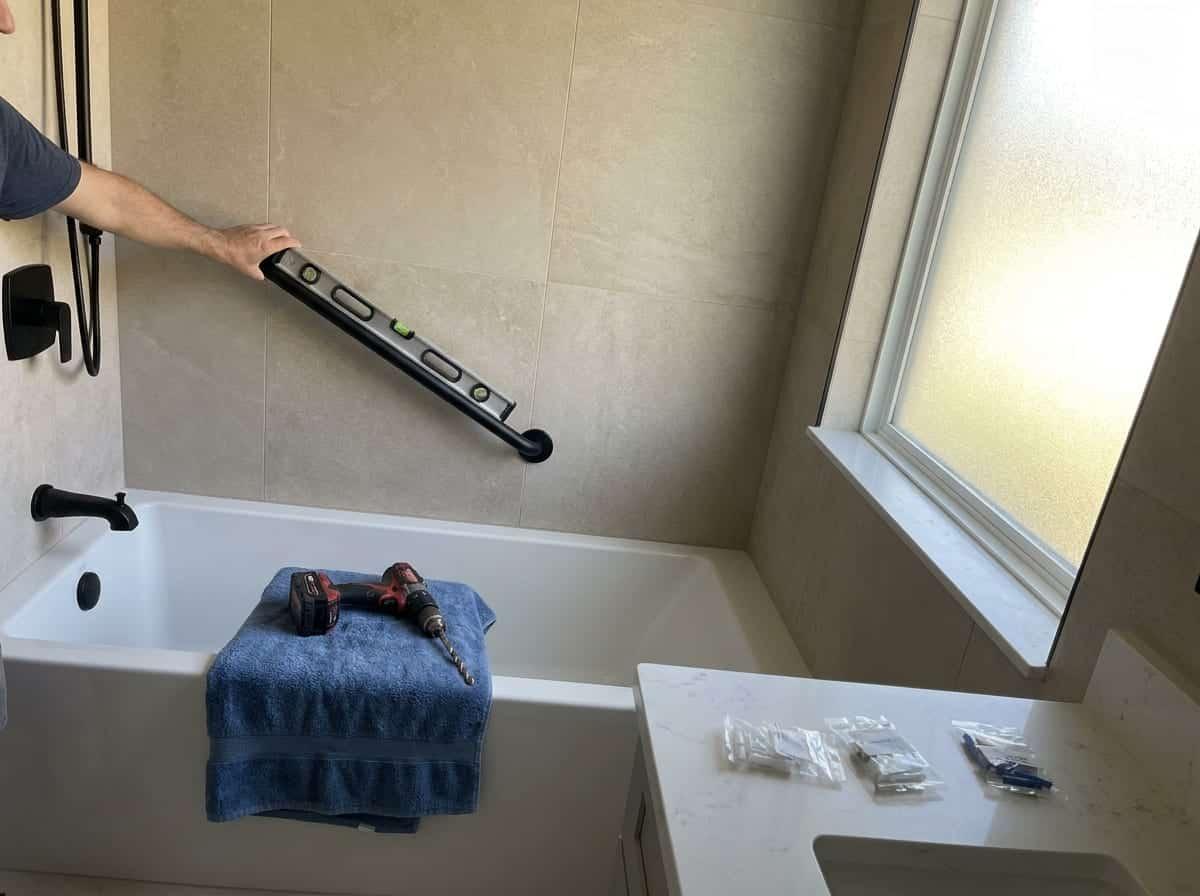
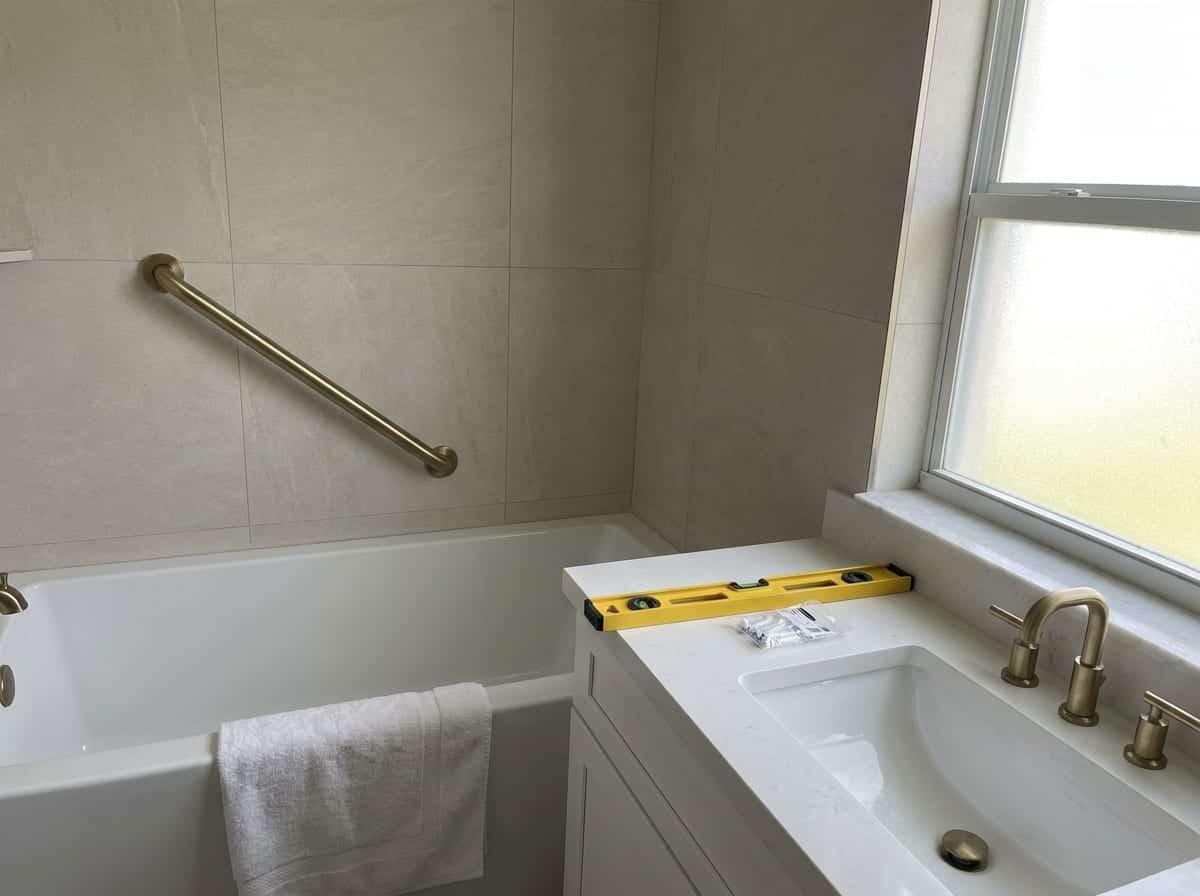
A grab bar has to carry someone's full falling weight, which is a completely different load from steadying yourself, and that is why the plastic anchors packaged in the box are not adequate for a bathroom wall in this county. Behind the tile there may be block, framing, or nothing at all at the height the bar needs to go.
We test at that exact height before drilling and pick the fastener from what is actually there. Masonry anchors into block. Framing where framing exists. A properly rated heavy duty anchor where neither is available in the right spot, or we move the bar. Then we hang real weight on every bar and rail before we leave, with the family watching. A bar that pulls out of the wall is worse than no bar at all.
Lever handles are the highest value item on the list. A lever opens with a forearm, an elbow, or a closed fist rather than a grip, which matters for arthritis and for anyone carrying something. A whole home usually converts in one visit.
Non-slip treads come next, because tile is the default floor across this county and it is slick whenever someone comes in from a pool or a wet screened patio. Then lighting. Battery powered motion lights at the bedroom door, in the hallway, and at the bathroom entry remove the fumbling in the dark that precedes most night falls, and they need no wiring. Anything hardwired goes to the licensed trades we refer out.
The other common worry is getting in. Families end up with a key hidden outside, which is the least safe option available, or with a spare in the hands of several neighbors nobody has reviewed in years. A battery powered keypad lock solves it. Each person gets a code, the codes are labeled, and any of them can be deleted from a phone.
For a family member out of state, that is the difference between hoping someone can get in and knowing they can. The lock fits the door prep that already exists, involves no wiring, and in most association buildings needs no approval because nothing visible from common area changes.
The call often comes from an adult child who has just visited a parent in Boca Raton, Delray Beach, or Boynton Beach and watched them get into the shower. We are used to that conversation and we handle it the same way every time. We walk the home, photograph what we would recommend and where, and put one written quote in front of both the parent and the family.
Nothing is scheduled until the person who lives there agrees to it. That is not a formality. Bars placed where a hand already reaches get used. Bars placed by somebody else's plan get ignored, and an ignored grab bar has done nothing for anyone.
Grab bars, handrails, lever handles, non-slip treads, and battery powered lighting, anchored to hold real weight.
Learn more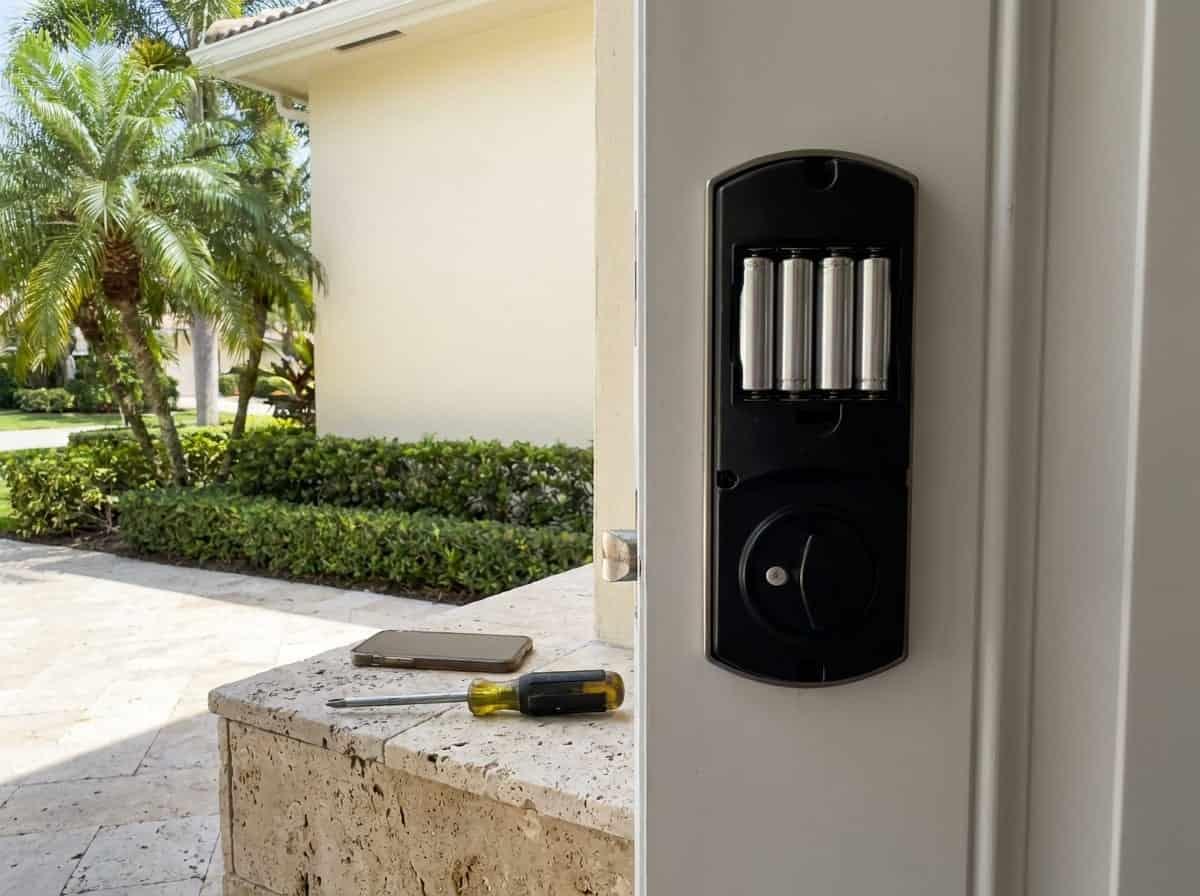
Battery powered smart locks and keypads fitted into existing door preps, with codes set up for guests, cleaners, and family.
Learn more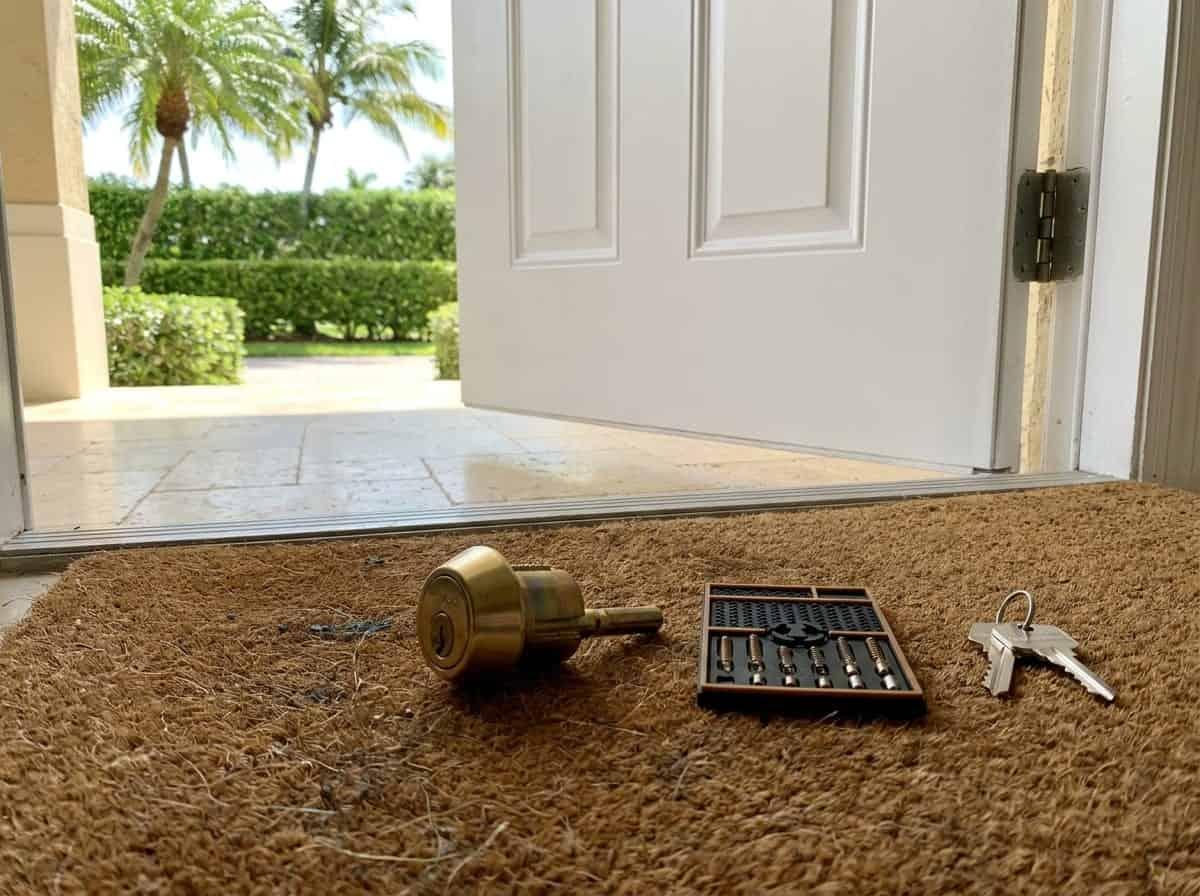
Rekeying existing locks to a new key for new owners, seasonal returns, and rental turnovers. One key for the whole home.
Learn more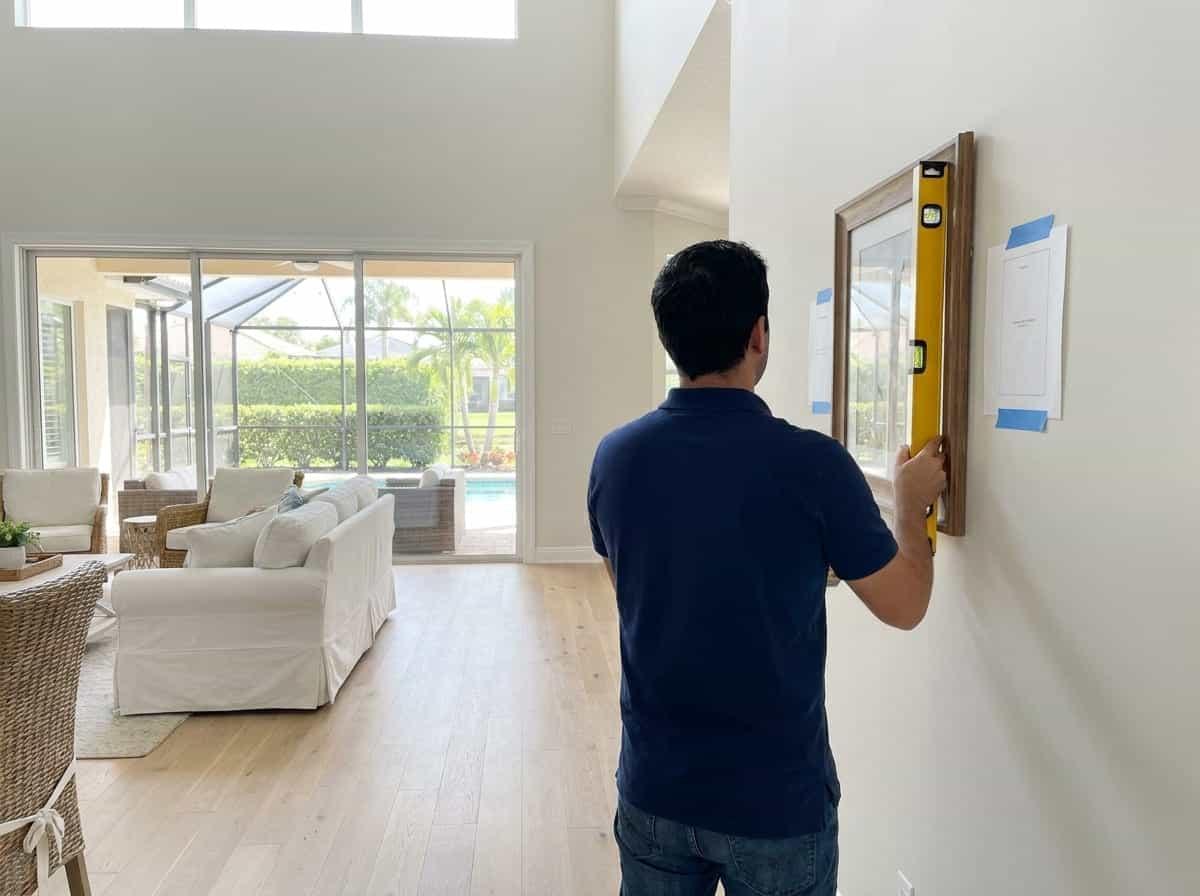
Art, mirrors, and shelves hung straight and anchored correctly, including masonry anchors for CBS block walls.
Learn moreYes. What matters is what sits behind the tile at the exact height the bar goes, which here is often block, sometimes framing, and sometimes neither. We test at that height, use a fastener matched to what we find rather than what came in the box, and put real weight on the finished bar before leaving.
Lever handles, non-slip treads on tile, and battery powered motion lights along the route from the bed to the bathroom. Those three address grip, slipping, and darkness, cost the least, need no association approval in most buildings, and usually fit in a single visit. Bars and rails come next.
We walk the home, photograph what we recommend and where, and send one written quote to both of you. We coordinate building access, insurance paperwork, and quiet hours with management. Nothing gets scheduled until the person who actually lives there has agreed to it, which matters for whether the changes get used.
No. Stair lifts, ceiling lifts, powered mobility equipment, and ramps that need engineered design or a permit are outside what we do, and we will refer you rather than take the job. We handle bars, rails, lever handles, treads, thresholds, battery lighting, and keypad locks.
Rarely, because it is all inside the unit and changes nothing visible from common area, unlike a door color. The exception is anchoring into a shared wall or a chase, which some buildings restrict. We ask management before drilling in those spots rather than after, along with the usual access and insurance paperwork.
Tell us the property, where in Palm Beach County it is, and how often you want us there. We come back with a written scope and a price.